
Compare {{ $root.cart.data.compare_items_count }}

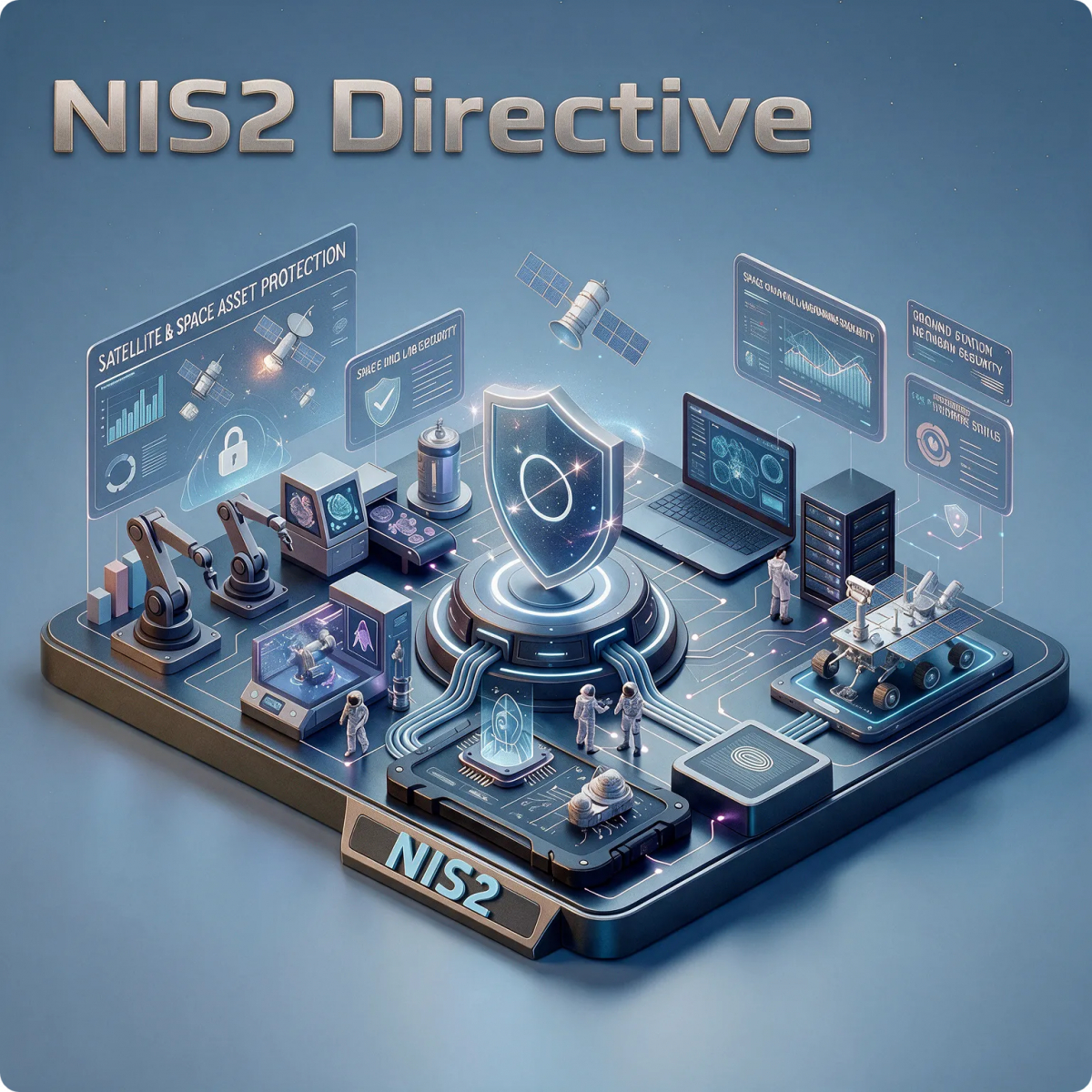
NIS2 – Cybersecurity in the Space Industry – Beginner

The course is available in the following languages:
VAT included

COURSE DESCRIPTION


The space industry relies on highly interconnected digital and operational infrastructure, including satellites, telemetry, tracking and command (TT&C) systems, remote ground stations, mission control centers, and launch facilities. These systems support critical services such as navigation, communications, weather forecasting, and the exchange of sensitive mission data. Their growing connectivity and reliance on digital technologies make them attractive targets for state-sponsored threat actors, cybercriminals, and hacktivist groups. Incidents such as the 2022 Viasat KA-SAT cyberattack demonstrate how a cyber incident can disrupt satellite communications and affect services far beyond the space sector.

This beginner-level course is designed for employees across the space industry who want to develop a solid understanding of cybersecurity without requiring a technical background. It introduces common cyber threats and practical security habits, using examples from satellite operations, ground infrastructure, mission control, and launch activities. Participants will also learn why cybersecurity matters for mission continuity, sensitive and export-controlled information, regulatory obligations such as NIS2, ITAR and EAR, and the protection of personal data under GDPR.

The course is developed by the CISO Edu team – the cybersecurity training platform of Advanced Vision IT. The company has 15 years of industry experience, is certified to ISO 27001, ISO 9001, and ISO 20000-1 standards, and is an AWS Cloud Certified Partner, as well as a partner holding multiple certifications from leading cybersecurity solution providers, including Sophos, Acronis, and other established technology companies. The content is developed by specialists who work daily with NIS2 compliance requirements, Industrial Control Systems (ICS), and critical infrastructure environments.

What participants will learn

 
  • ✓Understand the main cybersecurity risks affecting the space industry, including threats to satellites, ground stations, mission control centers, and launch facilities.
  • ✓Recognize phishing, vishing, and social engineering attempts, including fake mission briefings, fraudulent launch contractor invoices, impersonation of space agencies, and messages exploiting the pressure of launch windows.
  • ✓Identify malware risks arising from email attachments, downloads, removable media, and compromised suppliers, and understand how malicious software can affect ground stations and mission systems.
  • ✓Apply good password and authentication practices, including password managers and multi-factor authentication (MFA), while avoiding shared or default accounts and understanding the importance of authenticating commands sent to satellites.
  • ✓Follow secure practices when using workstations, portable devices, remote access systems, cleanrooms, launch facilities, and remote tracking stations.
  • ✓Understand the financial, legal, and reputational consequences of satellite or mission infrastructure compromise, including the risks of executive impersonation and financial fraud.
  • ✓Recognize the role of management in cybersecurity and understand the importance of NIS2, ITAR, and EAR requirements when protecting mission-critical and export-controlled information.

ideal for

 
👩‍🚀
Mission control and ground station operators – including shift personnel responsible for satellite communications, monitoring, and mission operations.
🛰️
Spacecraft, payload, and launch engineers and technicians – including employees working with satellite systems, launch infrastructure, and cleanroom environments.
🏢
Programme, procurement, finance, and administrative teams – employees who handle mission documentation, supplier communications, contracts, payments, and sensitive project information.
👔
Managers and team leaders – professionals responsible for teams, projects, operational processes, or cybersecurity awareness.
🎓
New employees and subcontractors – anyone joining a space organization or supporting its operations who needs to understand basic cybersecurity requirements.

Course modules

 
1Cybersecurity Fundamentals in the Space Industry View details ▾
An introduction to cybersecurity and its importance for the space sector. Participants explore the main components of the space industry's digital infrastructure, including satellites, TT&C systems, ground stations, mission control centers, and launch facilities. The module explains common threats and how a cyber incident can affect mission operations, communications, navigation, and the continuity of critical services.
2Phishing & Social Engineering in the Space Industry View details ▾
Participants learn to recognize phishing and social engineering attacks targeting space organizations. Examples include fraudulent mission briefings, fake launch contractor invoices, impersonation of space agencies and project partners, and messages designed to exploit the time pressure surrounding launch windows. The module covers practical techniques for verifying requests and reporting suspicious communications.
3Malware & Safe Usage in the Space Industry View details ▾
This module introduces common types of malware and explains how they can enter an organization through email attachments, downloads, removable media, and compromised suppliers. Participants learn safe practices for handling files and software, using external devices, and protecting workstations connected to ground stations and mission systems. Real-world examples, including the Stuxnet incident, illustrate the potential consequences of malicious software targeting specialized operational environments.
4Passwords & Authentication in the Space Industry View details ▾
Participants learn how to create and manage strong passwords, use password managers, and apply multi-factor authentication (MFA). The module highlights the risks of shared or default accounts and explains why secure authentication is essential for remote access, mission systems, and satellite operations. Special attention is given to the importance of authenticating commands sent to satellites.
5Device & Workspace Security in the Space Industry View details ▾
This module focuses on protecting workstations, laptops, portable devices, and other equipment used in space operations. Participants learn practical security measures for mission control centers, ground stations, cleanrooms, and launch facilities, including physical access control, secure handling of portable media, clean desk practices, and safe remote working.
6Cyber Awareness for Space Industry Management View details ▾
The final module examines the broader business and operational consequences of cyber incidents in the space sector. Participants explore how satellite or mission infrastructure compromise can lead to financial losses, legal consequences, reputational damage, and disruption of critical services. The module highlights management's responsibility for cybersecurity awareness, regulatory compliance, and the protection of sensitive and export-controlled information under NIS2, ITAR, and EAR.
🚀
Next Step: From Awareness to Cyber Risk Management

This course provides the foundation for a more advanced understanding of cybersecurity in the space industry. Participants who wish to develop their knowledge further can progress to topics such as incident response, protection of mission and export-controlled data, supply chain cyber risk, business continuity, spacecraft command and control security, and export control compliance.

Next Level

Contact form

NIS2 – Cybersecurity in the Space Industry – Beginner